A Hybrid Operation Theatre combines the capabilities of a surgical operating room with advanced imaging technology. It is generally considered for procedures where clinicians may need high-quality imaging during an intervention without transferring the patient to another department.
For hospitals in Greater Noida, Uttar Pradesh, evaluating a hybrid OT requires a different approach from planning a standard operating theatre because space, structural support, radiation considerations, equipment integration, and clinical workflow can be substantially more demanding.
How a Hybrid OT Differs
A conventional modular OT is primarily designed to provide a controlled environment for surgical procedures. A hybrid OT adds advanced imaging equipment such as fixed imaging systems, depending on the clinical programme.
This can support specialties and procedures where real-time imaging plays an important role.
Planning Area
Conventional OT
Hybrid OT
Imaging
Portable or limited imaging
Integrated advanced imaging
Space requirement
Procedure dependent
Generally larger
Structural planning
Standard OT equipment loads
Additional imaging equipment loads
Radiation planning
Depends on application
Often a major consideration
Equipment integration
Moderate
High
Project complexity
Controlled
More multidisciplinary
Which Hospitals May Need One?
A hybrid theatre should be driven by the hospital's clinical programme rather than by technology alone. It may be relevant where surgical and image-guided procedures need to take place within the same controlled environment.
Before choosing this model, decision-makers should evaluate expected procedure volumes, specialist availability, equipment utilization, capital investment, maintenance requirements, and long-term clinical plans.
Infrastructure Must Be Coordinated Early
Imaging equipment can influence ceiling design, floor loading, power requirements, cooling, cable routing, room dimensions, and movement pathways.
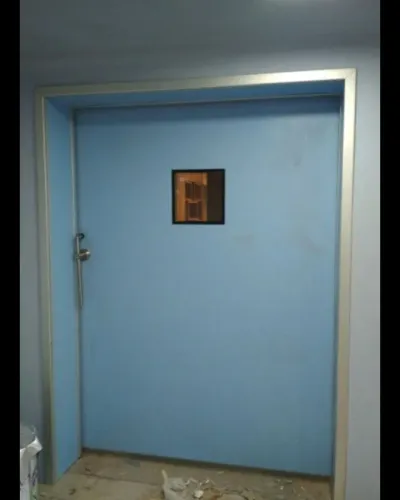
Radiation protection requirements may also affect walls, doors, viewing arrangements, and adjacent spaces. These requirements should be coordinated with the imaging equipment supplier and qualified project consultants before room construction is finalized.
Workflow Deserves Equal Attention
A technologically advanced room can still be inefficient if equipment obstructs staff or patient movement. The layout should account for anesthesia activities, sterile zones, imaging positions, surgical equipment, staff circulation, and emergency access.
For a hybrid OT project in Greater Noida, involving clinicians, architects, biomedical teams, MEP consultants, and the modular OT manufacturer during the design stage can reduce later conflicts.
Modular Healthcare System operates within this specialized healthcare infrastructure category and can support projects where modular construction must be coordinated with technical services.
A hybrid OT can be a valuable investment for the right clinical programme, but it should be selected only after assessing procedure requirements, utilization, engineering feasibility, and lifecycle demands.
Keywords