A hospital's medical gas infrastructure supports multiple clinical areas, including operation theatres, ICUs, emergency departments, wards, and procedure rooms. Selecting experienced Medical Gas Pipeline System Manufacturers therefore requires careful technical evaluation.
For healthcare facilities being developed or expanded in Greater Noida, the decision should begin with system requirements rather than only the number of outlets needed.
Evaluate the Entire System
A medical gas pipeline is not simply a collection of pipes running through a hospital.
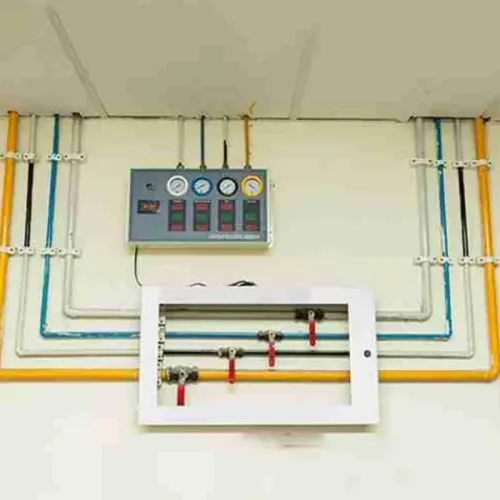
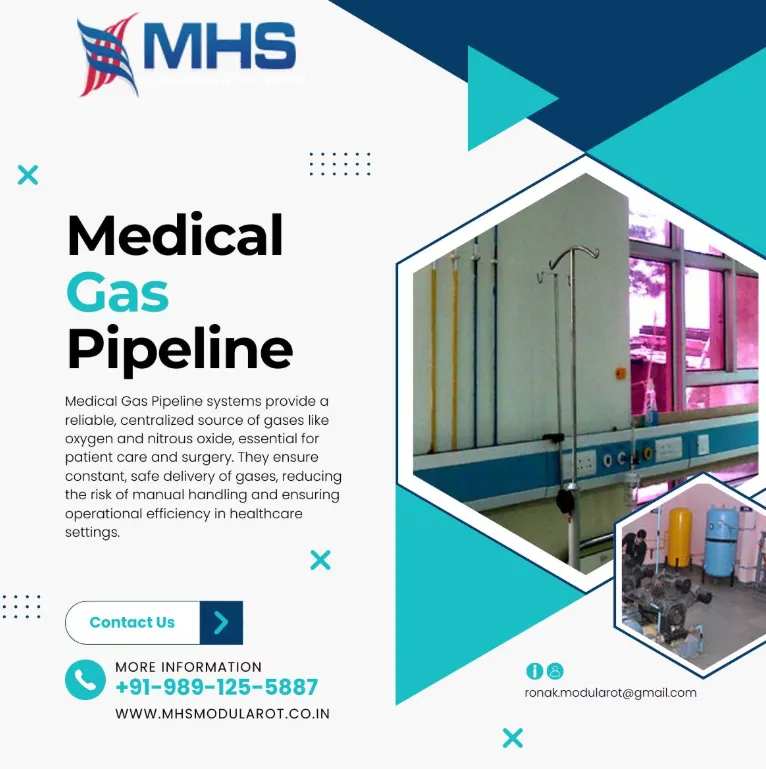
Depending on project requirements, the infrastructure may include source equipment, distribution pipelines, isolation arrangements, valves, alarm systems, terminal units, pressure management components, and associated controls.
The manufacturer or provider should be able to explain how these elements work together.
Check the Design Process
Before installation, a detailed assessment should establish where gases are required and how the distribution network will serve each department.
The design process should consider:
- Hospital layout
- Clinical departments
- Required gas services
- Number and position of outlets
- Distribution routes
- Isolation requirements
- Source capacity
- Future expansion
- Maintenance accessibility
Hospital planners should involve clinical and engineering teams during this stage.
Ask About Materials and Installation Practices
Material selection and installation quality are critical considerations in medical gas projects.
Hospitals should request clear specifications for piping, fittings, terminal units, valves, alarms, and other components included in the scope. Installation methods, joining procedures, cleanliness practices, identification, and testing should correspond with applicable project standards and requirements.
Understand Testing and Documentation
A completed pipeline should not simply be handed over after physical installation.
Ask Medical Gas Pipeline System Manufacturers what testing, inspection, identification, commissioning support, and documentation are included in their scope.
The hospital's engineering team should receive useful records that can support future operation and maintenance.
Consider Future Capacity
Healthcare facilities frequently expand after commissioning. Additional beds, ICUs, OTs, or specialty departments may increase medical gas demand.
Where expansion is foreseeable, it should be discussed during initial system design. The objective is to understand whether current decisions could create unnecessary limitations later.
Compare Technical Support
Medical gas infrastructure needs periodic attention throughout its operating life. Availability of technical support, spare components, system documentation, and maintenance guidance should therefore influence provider selection.
Modular Healthcare System works with hospital infrastructure requirements that include medical gas distribution and associated healthcare systems.
For hospitals in Greater Noida and the wider Uttar Pradesh healthcare market, comparing Medical Gas Pipeline System Manufacturers on design capability, material specifications, installation practices, testing, documentation, and service support provides a much stronger basis for procurement than price comparison alone.
Keywords