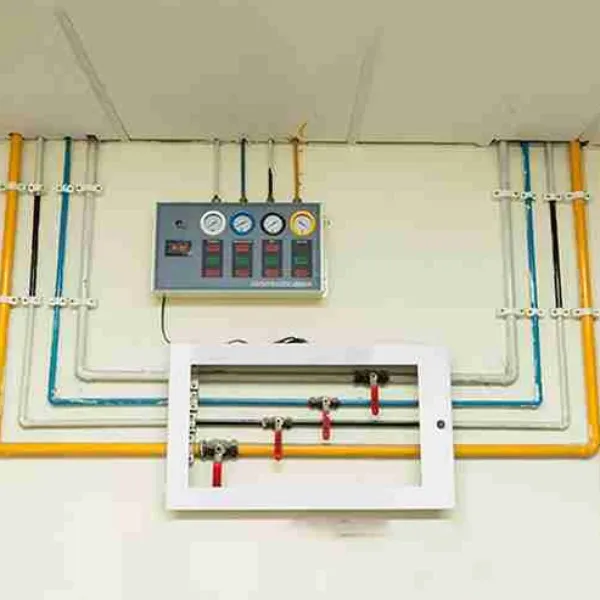
A Medical Gas Pipeline System must deliver required gases to clinical areas through a planned distribution network while supporting reliable operation and manageable maintenance. Because the pipeline often becomes part of the building itself, mistakes made during initial planning can be difficult and costly to correct later.
Healthcare projects in Greater Noida should therefore coordinate medical gas planning with architecture, clinical layouts, and other engineering services from the beginning.
Start With Department-Level Requirements
Different hospital departments have different demands.
An ICU may require multiple outlets at each bed, while an operation theatre has requirements linked to anaesthesia, surgery, and equipment. Wards, emergency areas, recovery rooms, and procedure rooms may have their own configurations.
The design should be based on actual clinical requirements rather than applying the same outlet pattern everywhere.
Plan Distribution Routes Early
Pipeline routes need to coexist with electrical services, HVAC ducts, fire protection systems, ceilings, structural components, and other utilities.
Early coordination helps identify congested service areas before installation starts.
The project team should also consider how sections of the system can be accessed for maintenance without creating unnecessary disruption to other hospital areas.
Think Carefully About Isolation
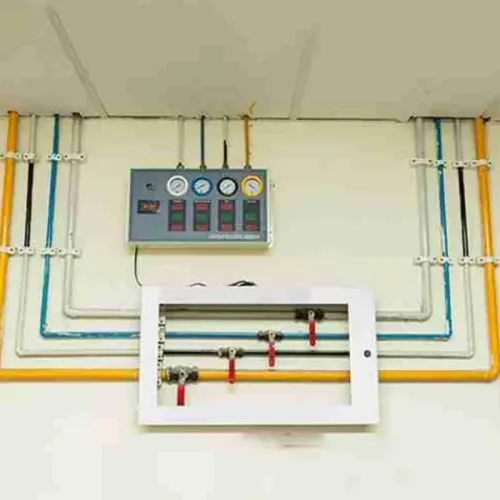
Hospitals need appropriate arrangements for controlling sections of medical gas infrastructure during maintenance or other operational requirements.
The location and identification of relevant control and isolation components should therefore be incorporated into the system plan and documented clearly for the hospital's engineering team.
Include Monitoring Requirements
A well-planned Medical Gas Pipeline System should allow hospital teams to understand system conditions and identify relevant operational issues.
Alarm and monitoring requirements should be considered according to the project design and applicable specifications. These systems should be positioned where responsible staff can respond appropriately.
Avoid Unplanned Expansion
One common infrastructure problem occurs when additional beds or departments are added without evaluating the existing system's capacity.
Hospitals planning future expansion should consider expected growth during the original design stage. This may include additional critical care beds, operating theatres, or new clinical departments.
Modular Healthcare System supports healthcare infrastructure planning where medical gas systems need to integrate with other hospital services and clinical spaces.
Documentation Matters After Handover
Once pipelines disappear behind walls and ceilings, accurate records become extremely valuable.
Hospitals should retain approved drawings, identification details, equipment information, testing records, and relevant operating documentation. Engineering teams can then use these records when carrying out maintenance or planning modifications.
For healthcare facilities across Greater Noida and Uttar Pradesh, effective medical gas planning is fundamentally about coordination. When clinical demand, distribution routes, system controls, maintenance access, documentation, and future requirements are addressed together, hospitals can create infrastructure that is easier to operate and manage over its service life.
Keywords