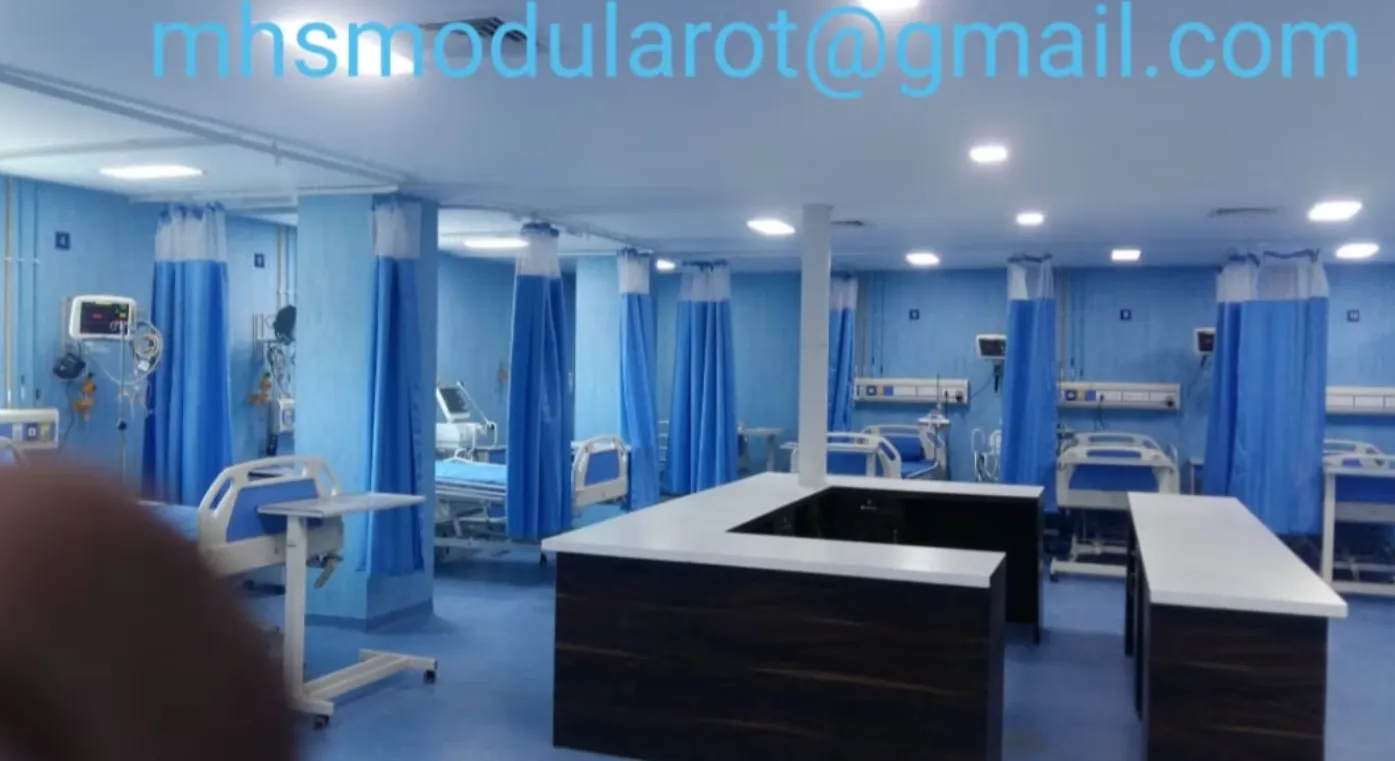
Critical care environments have to accommodate medical equipment, bedside services, patient monitoring, caregiver movement, infection-control practices, and continuous engineering support. Modular ICU Solutions provide a structured approach to planning these elements within a coordinated critical care environment.
For hospitals in Greater Noida, modular ICU development can be considered for new facilities, capacity expansion, or major critical care upgrades.
Begin With Bed-Level Requirements
ICU planning should start with what needs to happen around each patient bed.
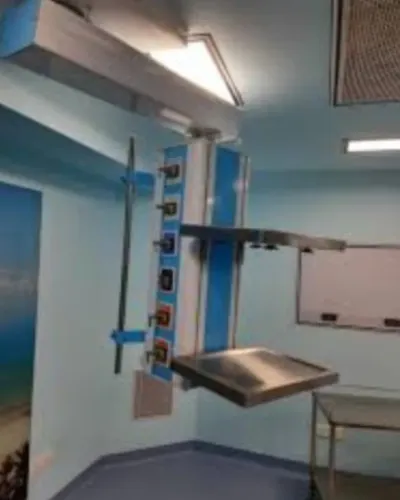
The project team should consider medical gas outlets, electrical connections, monitoring equipment, communication requirements, equipment mounting, lighting, storage, and caregiver access.
These requirements should be mapped before wall, ceiling, or service configurations are finalised.
Space Around the Bed Matters
Critical care teams need enough working space to reach patients and operate equipment.
Overcrowding the bedside area with poorly positioned outlets, equipment, furniture, or fixed services can make clinical work more difficult.
A modular design should therefore focus on functional positioning rather than simply fitting the maximum number of beds into available floor area.
Integrate Medical Gases and Electrical Services
ICUs can have substantial utility requirements.
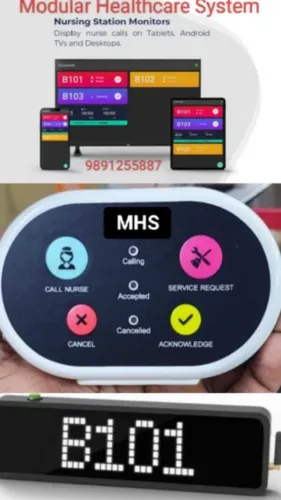
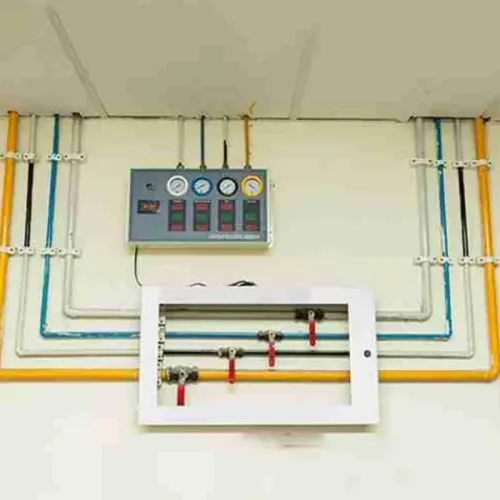
Medical gases, power, essential power arrangements, data, communication, and monitoring infrastructure should be coordinated with architectural and equipment layouts.
Modular ICU Solutions are most useful when these systems are treated as part of one planning process.
Consider Visibility and Nursing Workflow
Nursing teams need practical access to patients while managing multiple beds.
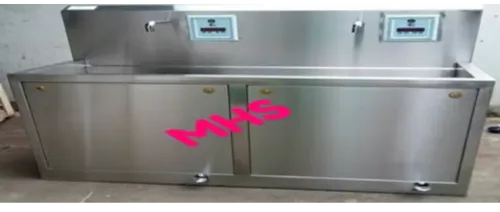
The layout should consider staff movement, visibility requirements, nursing stations, medication and consumable access, hand hygiene facilities, and movement of mobile equipment.
Clinical teams should review proposed layouts before construction begins.
Plan for Cleaning and Maintenance
ICU surfaces and infrastructure need regular cleaning and ongoing technical maintenance.
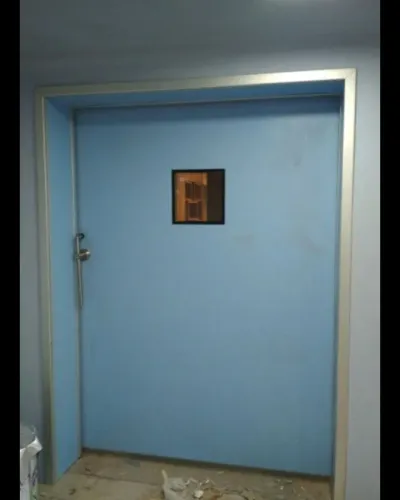
Material selection should account for durability, cleanability, and the healthcare environment. Engineering components should also remain accessible where servicing is required.
Think About Changing Care Requirements
Critical care capacity may change over time. Hospitals may add beds, introduce new monitoring systems, or upgrade equipment.
Modular Healthcare System supports healthcare infrastructure projects where ICU planning can be coordinated with medical gases, communication systems, and other clinical requirements.
For healthcare providers in Greater Noida and the broader Uttar Pradesh region, the value of modular ICU planning lies in coordination and adaptability. A successful ICU should not merely look technically advanced; it should make bedside services accessible, support caregiver movement, accommodate necessary equipment, and allow engineering teams to maintain critical infrastructure efficiently throughout the facility's operating life.
Keywords