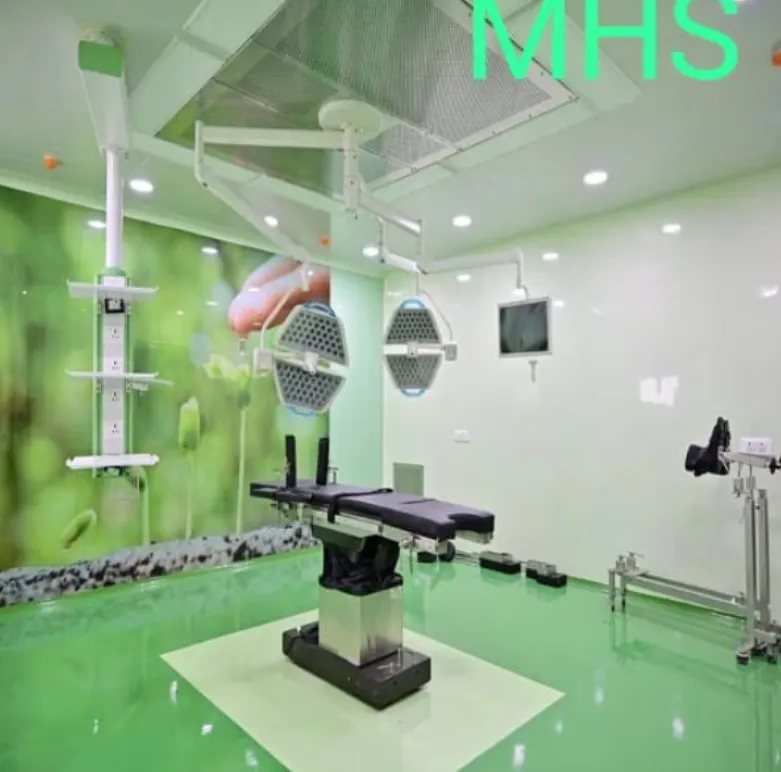
An Operation Theatre Setup involves numerous interconnected decisions. When planning is fragmented, problems may only become visible after installation, when corrections are more difficult and disruptive.
Hospitals in Greater Noida developing new surgical facilities can avoid many common issues by reviewing the complete OT environment before construction and procurement are finalised.
Mistake 1: Designing Before Confirming Clinical Use
An OT should not be designed as an empty room and assigned a surgical specialty later.
Equipment, utilities, room layout, storage, medical gases, ceiling services, and workflow can vary according to clinical use.
Define the intended procedures first and design around them.
Mistake 2: Finalising Each Service Separately
HVAC, electrical systems, medical gases, modular walls, ceilings, lighting, and biomedical equipment often come from different specialist teams.
If each contractor works independently, clashes can appear during execution.
A coordinated drawing review should happen before installation begins.
Mistake 3: Ignoring Staff Movement
An attractive layout can still be inconvenient in daily use.
Review how surgeons, anaesthesia teams, nurses, patients, sterile supplies, equipment, and waste will move through the area. Door locations, equipment positioning, and service points should support these movements rather than obstruct them.
Mistake 4: Treating Maintenance as a Future Problem
Components eventually need inspection, servicing, or replacement.
If access panels, controls, service routes, and equipment interfaces are difficult to reach, routine maintenance can become unnecessarily disruptive.
Maintenance teams should have input during the Operation Theatre Setup planning stage.
Mistake 5: Making Late Equipment Changes
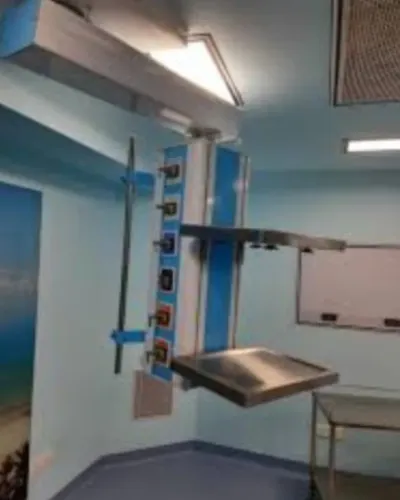
Changing a surgical light, pendant, imaging system, or other major equipment after ceiling and service layouts have been finalised can affect structural supports and utility locations.
Hospitals should freeze major equipment specifications as early as practical.
Mistake 6: Comparing Vendors Only on Price
A lower initial quotation may exclude important items such as specific materials, controls, integration work, testing, documentation, or after-sales support.
Compare technical scope line by line.
Mistake 7: Forgetting Future Requirements
Hospitals evolve. Surgical volumes may increase, specialties may change, and new technology may be introduced.
Modular Healthcare System works with healthcare projects where infrastructure planning can consider current requirements alongside practical future needs.
For Greater Noida hospitals, effective OT development depends on early coordination between clinical, biomedical, engineering, architectural, and specialist installation teams. Avoiding planning mistakes before construction starts is generally more efficient than modifying a completed surgical environment later.
Keywords