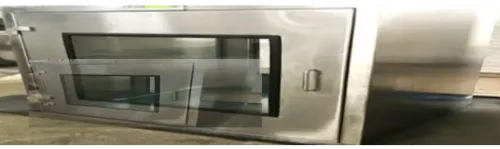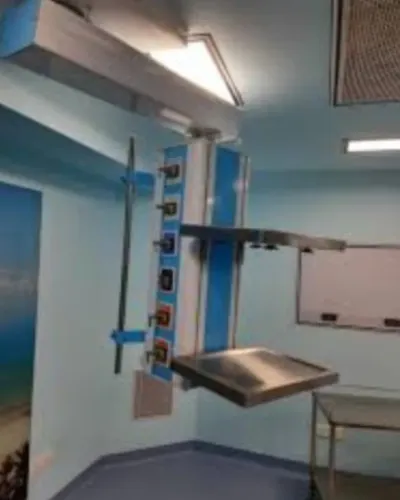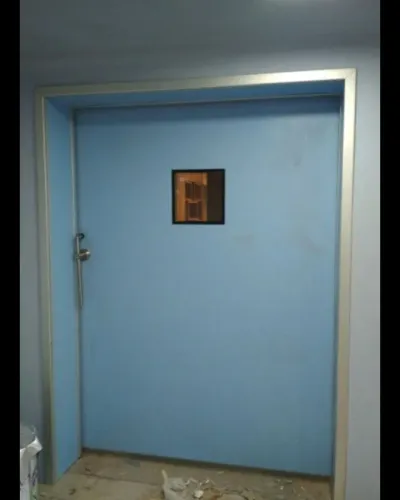
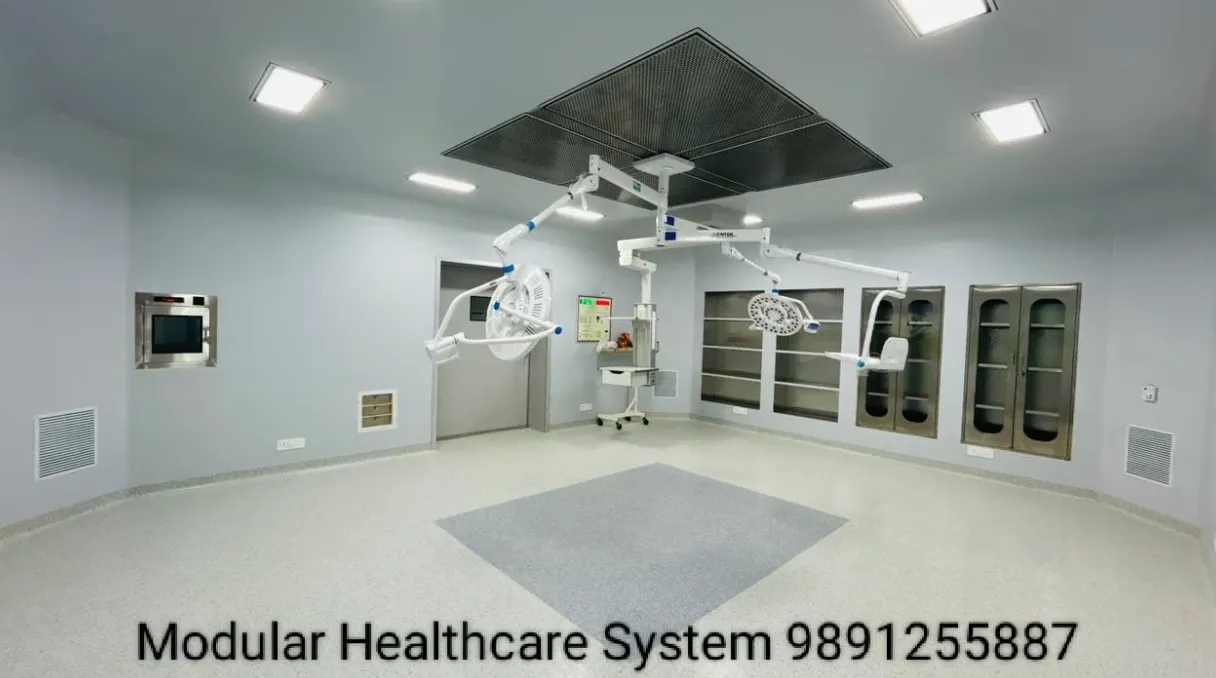
A Smart Modular Operation Theatre combines the controlled construction of a modular OT with integrated technologies that help clinical teams manage information, equipment, room conditions, and communication more efficiently. The idea is not simply to add screens or automation; smart planning should make the surgical environment easier to operate and monitor.
Hospitals in Greater Noida considering new OT complexes can benefit from understanding which smart features provide practical value before deciding what should be included.
Centralized Control of OT Functions
Instead of operating multiple systems independently, a smart OT can provide centralized access to selected functions. Depending on the project specification, the control system may cover:
- Room temperature and humidity display
- Pressure status
- Lighting controls
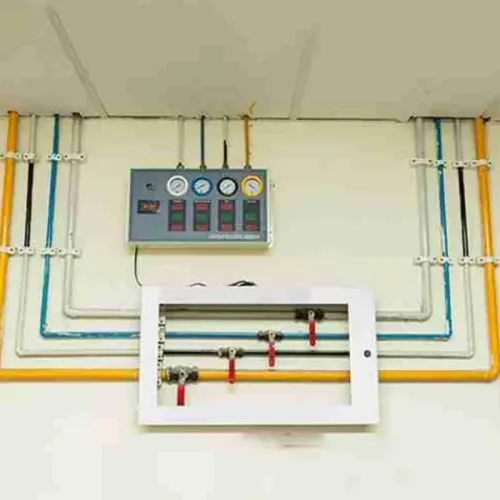
- Medical gas alarms
- Stopwatch and clock functions
- HVAC status
- Door status
- Communication functions
- Selected equipment integration
A clearly designed control panel can reduce unnecessary movement and make important room information easier for staff to view.
Better Use of Surgical Information
Modern surgery increasingly involves digital imaging, patient information, endoscopic feeds, and other visual data. Properly planned smart theatres can provide displays and connectivity at locations that support the surgical team's workflow.
Technology should, however, be selected around actual clinical requirements. Adding complex systems that staff rarely use can increase maintenance without providing equivalent operational value.
Monitoring the Surgical Environment
Environmental parameters can affect both comfort and controlled-room performance. Smart monitoring allows designated personnel to identify changes in parameters such as room pressure, temperature, or humidity.
This does not replace proper HVAC design. Instead, monitoring provides visibility into how the engineered environment is performing.
Planning for Future Technology
One important advantage of modular construction is the opportunity to consider future changes during initial design. Cable routes, access panels, equipment supports, networking requirements, and service spaces can be planned so that later modifications do not require extensive civil work.
This is especially relevant for new hospitals and expanding healthcare facilities in Greater Noida, where surgical departments may need to accommodate changing equipment and clinical technologies over time.
Modular Healthcare System can be considered during the planning stage when hospitals require coordinated modular OT infrastructure rather than independently sourced components.
A smart OT is most useful when technology supports real clinical tasks. Hospitals should therefore begin with workflow, procedure type, infection-control requirements, staff needs, and maintenance capability, then select automation and integration features that genuinely improve the surgical environment.
Keywords